
Manga
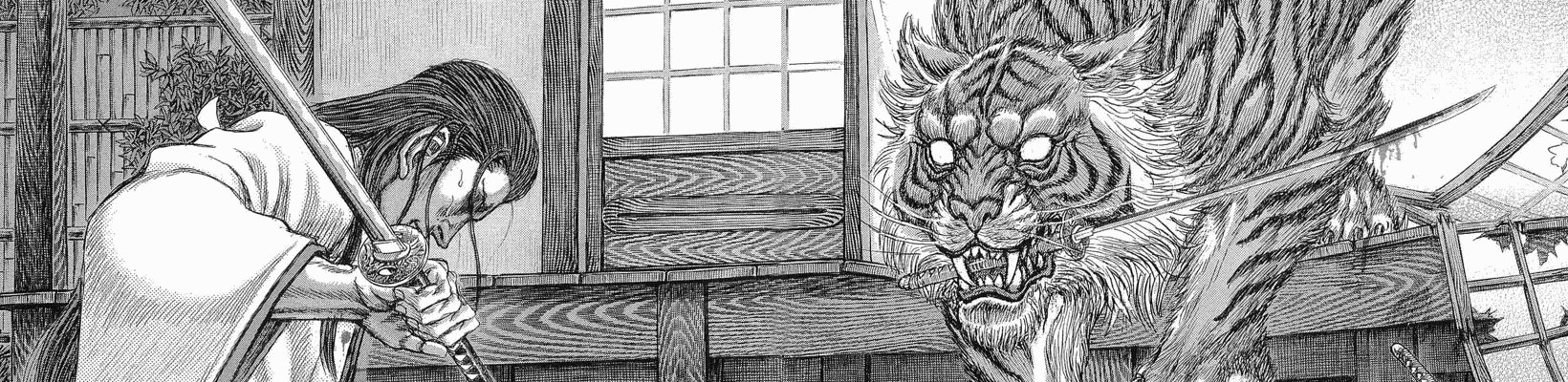
Shigurui
Manga
Ritualized Violence and the Samurai Myth
100 KuroGFXJul 22, 20263 of 4 found this helpful
Before I start talking about Shigurui I want to talk a bit about the samurai class of warriors and how they are this strange mixture of bona fide killers and an aristocratic elite.
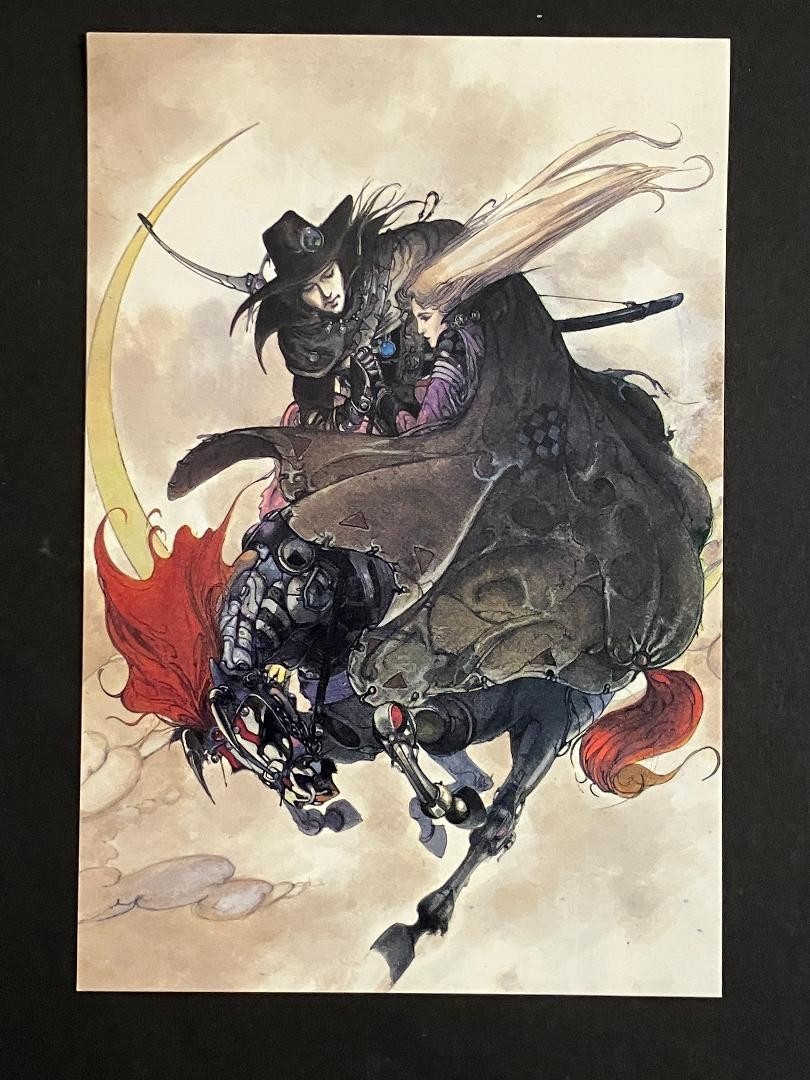
The samurai, in particular, are so diffused throughout culture and media. One of my favorite representations of them is in Vampire Hunter D. The feudal system of the post-apocalyptic year 10,000, where technologically advanced vampires have divided up most of the world's geography and treat humans like chattel, feels very reminiscent of the samurai class. Even D himself is a fusion of the wandering rōnin—the disgraced masterless samurai and the Western cowboy gunslinger, a mercenary drifting from town to town. Within the story, D is regarded as a vile hybrid whose very existence taints the prestige of the vampiric nobility.
But samurai in general are interesting, especially in Shigurui. The story takes place during the Edo period under the Tokugawa shogunate, long after the age of the Three Great Unifiers. Tokugawa Ieyasu is dead, and his grandson rules as shogun. Before this era, samurai earned their place through constant warfare. Now they live on hereditary stipends in a time of relative peace. Ironically, peace only heightens tensions within the warrior class. Once the necessity of maintaining armies diminishes, competition for status, stipends, and appointments becomes even fiercer. The title of samurai carries authority, income, and prestige, and everyone is fighting to keep or improve their position while relatively trying not to create too much upset.
Naturally, different sword schools become ruthlessly competitive, even to the point of deliberately mutilating rivals. Gouge out an eye, split a jaw, sever a hand whatever best serves as a living testament to one's skill. Infamy is almost as valuable as glory if it reaches the ears of powerful daimyō and the samurai who serve beneath them.
That is the general fuckery of the period in which this story takes place. It sharply contrasts with the supposed peace of the Edo era. Our main characters are students of the Kogan-ryū school: Gennosuke and Irako Seigen. One embodies the stern, disciplined ideal of what people imagine a samurai should be. The other is ambitious, rebellious, and born into a far humbler background the son of a prostitute, with his sights set on climbing into the samurai class.

That, however, is not how the story begins.
Instead, the story opens with the notoriously sadistic daimyō Tokugawa Tadanaga, the younger brother of the reigning shogun, organizing a tournament between Japan's greatest swordsmen. Unlike the ceremonial exhibitions common during peacetime, these matches will be fought with real blades. It is essentially a public spectacle of death held during an era supposedly defined by peace. Even after one of Tadanaga's retainers demonstrates his fanatical loyalty by disemboweling himself to deter Tadanaga, the tournament proceeds regardless, held upon ground considered sacred to the Tokugawa all to sate Tadanaga’s sadism.

The first match is where we meet our two protagonists, along with two other equally important characters. They are horribly disfigured and disabled, reduced to what the spectators see as cripples. Gennosuke has lost his left arm just below the shoulder. Seigen is blind, walks with a permanent limp, and fights while gripping the blade of his own sword with the split toes of his mangled foot. It is an unsettling and grotesque opening, a duel between broken men.
What follows is the enormous weight of context necessary to understand how they ended up like this. It is a fascinating way to begin the series. The rest of the tournament is largely irrelevant because the manga is spun off from a different novel that actually covers those events. Instead, Shigurui serves as a prequel, expanding upon the history that culminates in that opening duel. It constantly alludes to the larger story and shares many of its characters, which can leave the impression that the manga is somehow unfinished. In reality, it is a fragment of a much larger narrative, one that enriches a single corner of the parent story with extraordinary depth.

While the violence in Shigurui can sometimes feel almost supernatural in its intensity, it is consistently grounded in the social realities of feudal Japan. The brutality is rarely meaningless. Instead, it grows out of the rigid hierarchies, obligations, and values of the society the characters inhabit. The same privileges that elevate certain people also trap them, while giving them power over others. Whether it is the ritualized violence of the samurai or the women born into samurai families who possess status but are treated as property, Shigurui shows how social prestige can dehumanize the very people it is meant to honor.
The story repeatedly drives home the idea that people are shaped by the incentives and expectations of the societies they live in, often acting against their own interests without fully realizing it. Few characters are simply victims or villains, and almost none are heroes. Even the more sympathetic characters are flawed by pride, vanity, or self-interest. Through its treatment of class, bloodlines, gender, sexuality, and disability, Shigurui explores how deeply social norms influence both identity and behavior.
For that reason, I think Shigurui succeeds as a historical story. Despite its grotesque violence and surreal intensity, it never loses sight of the social forces driving its characters. Rather than reducing its world to simple moral lessons, it presents a complex network of status, obligation, and power, showing how people struggle to hold onto their humanity within a system that constantly asks them to surrender it.
Make no mistake, this is an incredibly disturbing and at times borderline depraved story. But it is never empty shock value. Beneath its brutality is a genuine exploration of power, identity, and the ways society can shape and distort the people who live within it. That combination makes Shigurui one of the most hauntingly beautiful stories.
